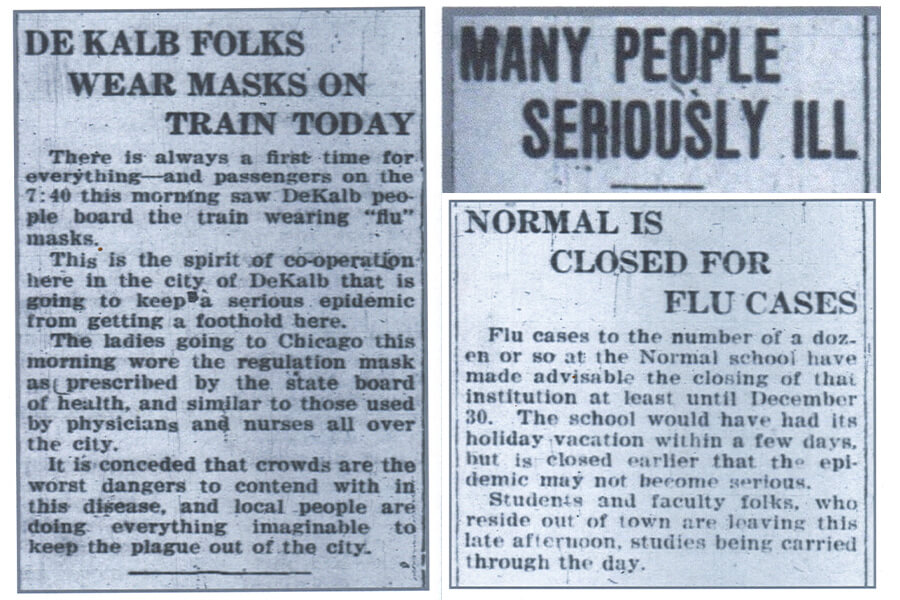
On Jan. 30, 2020, NIU faculty, staff and students received an email that urged anyone who had recently traveled to China to be tested for an unknown virus known as COVID-19. Two months later, that virus had caused the largest public health crisis in more than a century, shutting down the entire campus, much of the nation and world in the process.
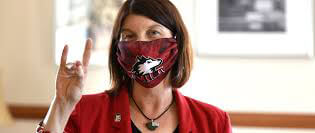
Under the leadership of President Dr. Lisa C. Freeman, university administrators, faculty and staff rolled up their sleeves and began figuring out how to continue delivering on its mission, vision and values while prioritizing and protecting the wellbeing of all Huskies.
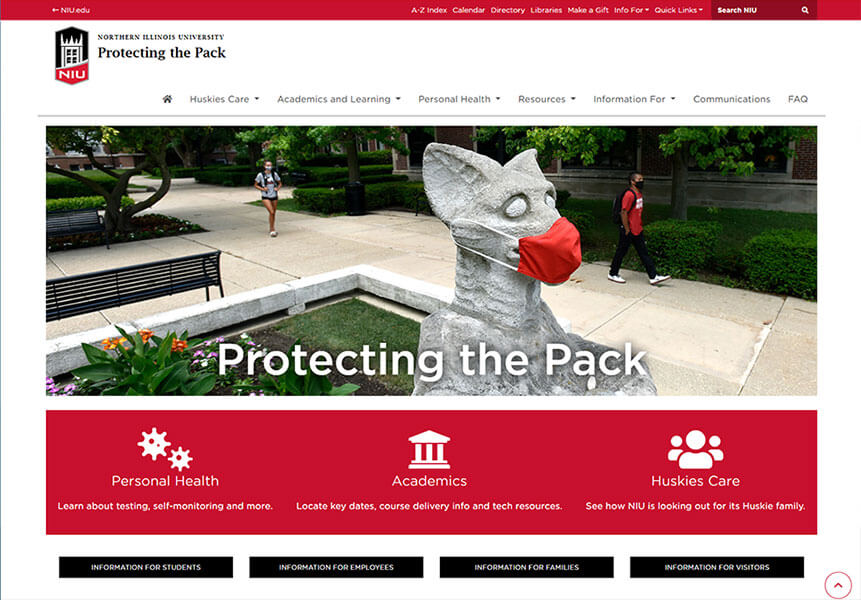
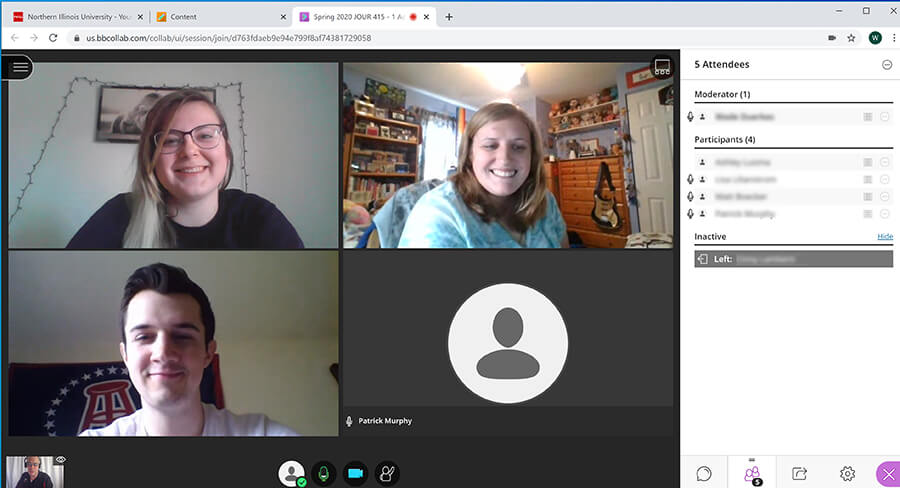
As the nation began to lock down in March, NIU extended spring break by a week so that the university could build the infrastructure and provide the tools that would allow NIU to deliver 100 percent of classes online and enable the vast majority of employees to conduct all business virtually. Thanks to teams working around the clock, by the time students returned, those changes were in place. To assist in that transition, websites providing tips on how to teach, learn and work in the new virtual environment were launched and a new “Protect the Pack” section on the university website provided continuously updated information regarding all things related to COVID-19 on campus.
The university also worked closely with Northwestern Medicine and the DeKalb County Health Department to ensure that it was doing all that it could to ensure the safety of students and employees. Those collaborations continued throughout the pandemic response and were crucial to the success of efforts to contain the disease.
The vast majority of students returned to their homes for the rest of the spring semester. However, to meet the needs of those for whom that wasn’t an option, Housing and Dining kept one residence hall open and figured out ways to provide meals and other services as safely as possible.
Recognizing that many students and their families were hit hard financially by the pandemic, the university also worked quickly to refund more than $12 million for housing, dining, parking permits and student fees. Students who were employed on campus were also paid for the hours they would have worked.
A Student Emergency Fund was created to assist those students who were in the greatest need. The fund was paid for primarily with federal CARES Act money, along with money raised by the NIU Foundation and more than $20,000 in gifts from NIU faculty and staff. By the end of the semester about 5,000 students received $2.2 million in grants to help them meet basic needs and continue their studies. To help students stay on track to graduate in a timely manner, the university also eliminated financial barriers that could have precluded many students from re-enrolling in the fall.
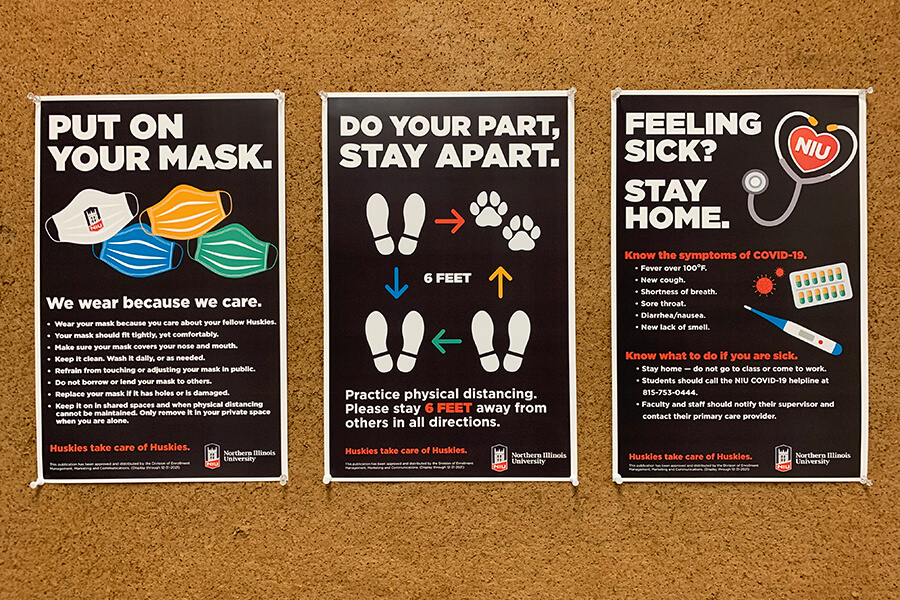
With the pandemic showing few signs of letting up, NIU spent the summer of 2020 planning for the return of students on a limited basis. This required the development of new campus norms designed to emphasize personal health and the creation of new opportunities to connect with faculty and friends virtually. Perhaps most publicized was the decision to postpone fall sports, though football did end up playing a truncated, six-game schedule.
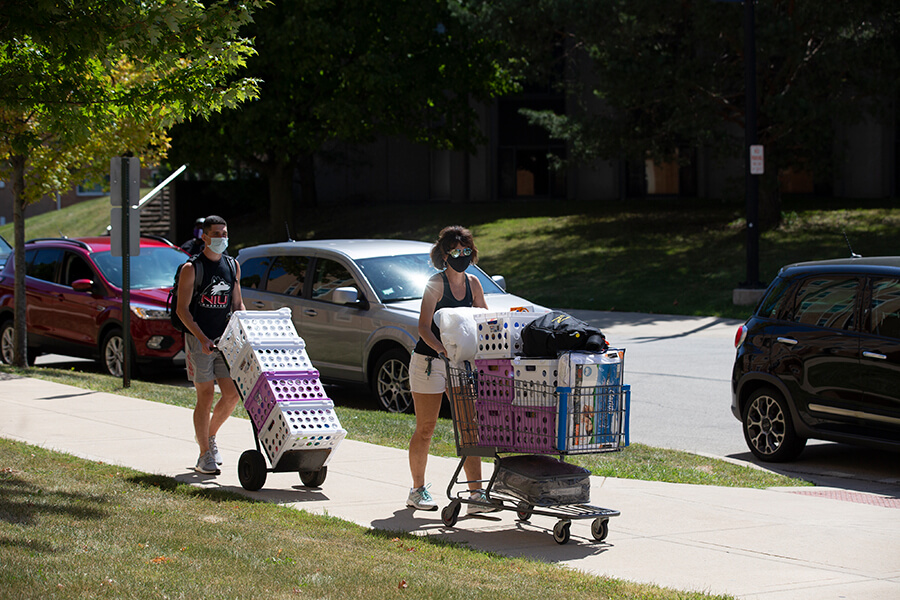
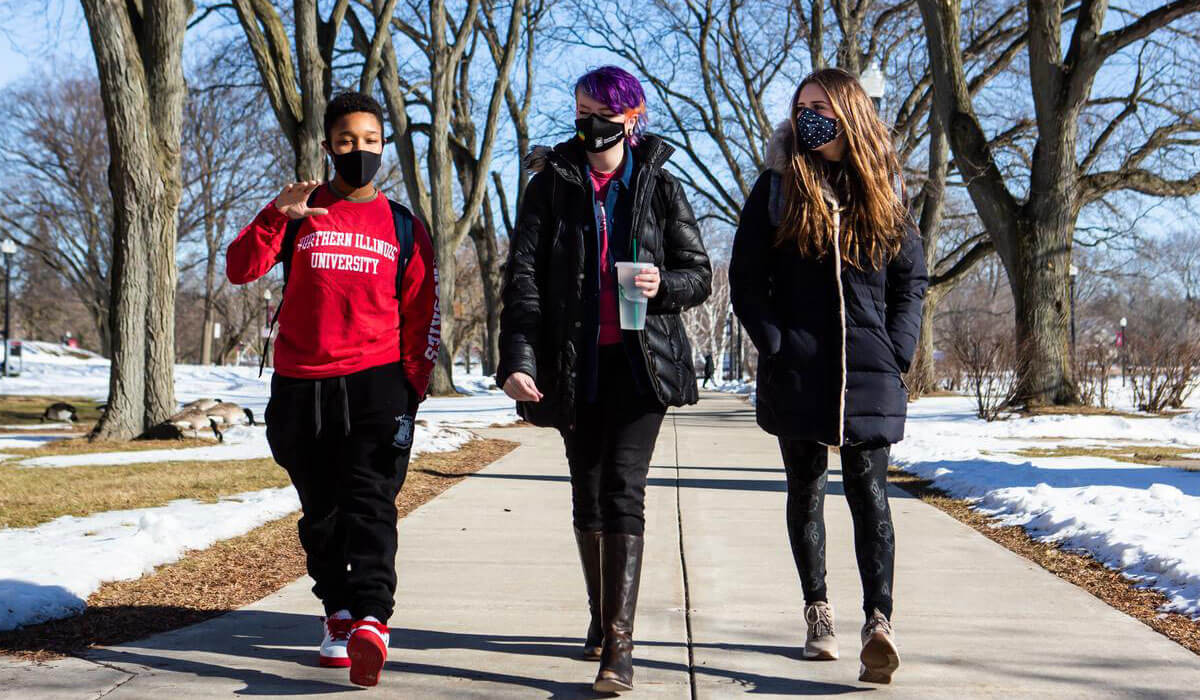
When students returned in August enrollment actually climbed a bit for the first time in several years. Residence halls reopened (with all rooms being converted to single occupancy) and classes resumed with a mix of online, hybrid (combining online and in person) and a small percentage of face-to-face classes for courses such as labs and clinical experiences where distance learning was impractical.
Students and faculty in those face-to-face classes, those living in residence halls, all university athletes and all those who worked with those groups were part of a surveillance testing program designed to detect outbreaks before they could spread. Thanks to that program and strict enforcement of protocols, the campus maintained a rate of infection that was as good or better than the surrounding community throughout the pandemic.
Spring semester 2021 began with the announcement that surveillance testing would be required for residence hall students once a week, but some other COVID restrictions were being loosened: indoor dining (with no more than 50 at a time) returned to some residence halls, as did students’ ability to host a guest in their room with proper registration and precautions. Spring break was cancelled and replaced with periodic administrative closure days to give Huskies some much-needed time to catch their breath.
As of this writing, NIU is preparing for a return to more in-person classes in the fall. Vaccine distribution began in late 2020, and officials are hopeful that members of the NIU community will seek out vaccination in substantial numbers.
* * * * *
As the final entry in this chronicle of NIU’s first 125 years, the conclusion to this story has yet to be written. Many believe the pandemic will forever change public education at all levels; others hope we will be able to preserve our most revered traditions.
Whatever the future holds, we know that Huskies never quit. Through world wars, pandemics, economic stagnation and social unrest, NIU perseveres. In tragedy and triumph, Northern Illinois University continues its march into the future — always forward, and always together.
Click on photos to enlarge.