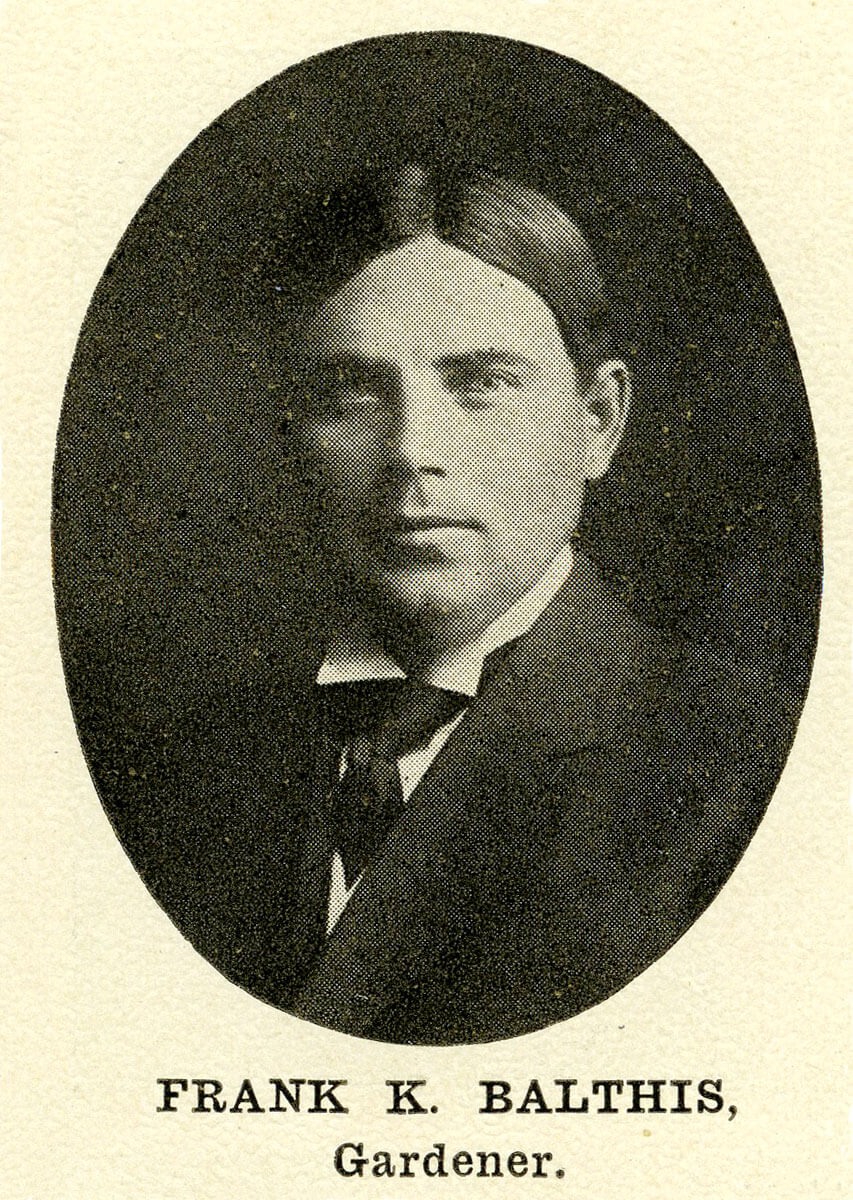

Just west of the Kishwaukee River on the eastern edge of Northern’s campus was a depression in the earth that filled with water during heavy rainfalls. NISNS groundskeeper W.C. Claybaugh first proposed creating a lake there in 1905; two years later, Claybaugh and campus gardener Frank Balthis oversaw excavation of the “mud hole” and creation of a seven-acre pond with a series of pools and miniature waterfalls.
They decided to give the lagoon some visual interest by creating an irregular shoreline and a small island, and planted hundreds of plants and trees around its edges.
Creation of the lagoon followed the larger campus landscaping plan of renowned landscape architect Walter Burley Griffin (a former colleague of famed architect Frank Lloyd Wright) who was hired by the NISNS board to transform the virgin campus. Griffin’s plan included large terraces in front of Altgeld Hall, eight feet high and 384 feet long, extending into the area where Lowden Hall now stands. It also called for a large, octagonal garden just to the southeast of Altgeld where the university flag pole is now located, and a series of interconnected “lakes” fed by the nearby Kishwaukee River.
To bring Griffin’s plans to life, NISNS hired Balthis from the Shaw Botanical Gardens in St. Louis. He remained at Northern for 18 years, creating a campus with a wide reputation for beauty. In addition to that work, Balthis developed playgrounds, tennis courts and baseball diamonds as well as a large greenhouse for the children at the Practice School to learn about botany. At one point, Balthis had 385 different species of plants growing there, including bamboo, pineapple, coffee and banana.
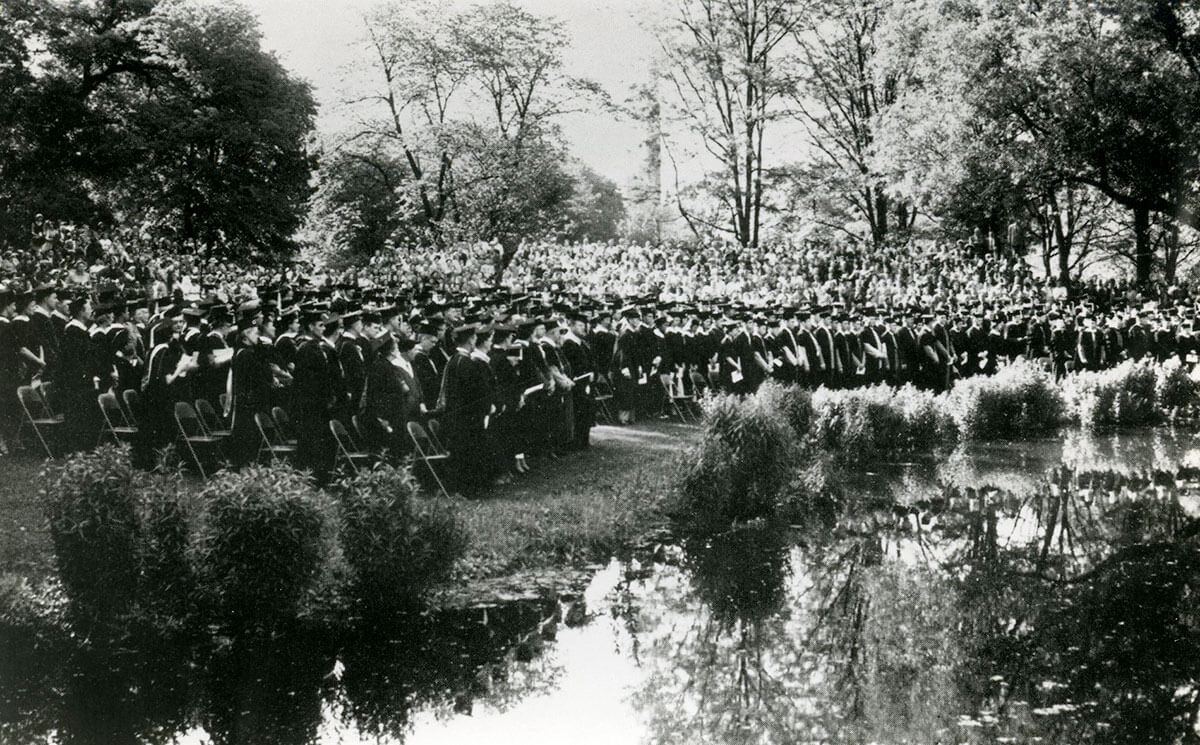
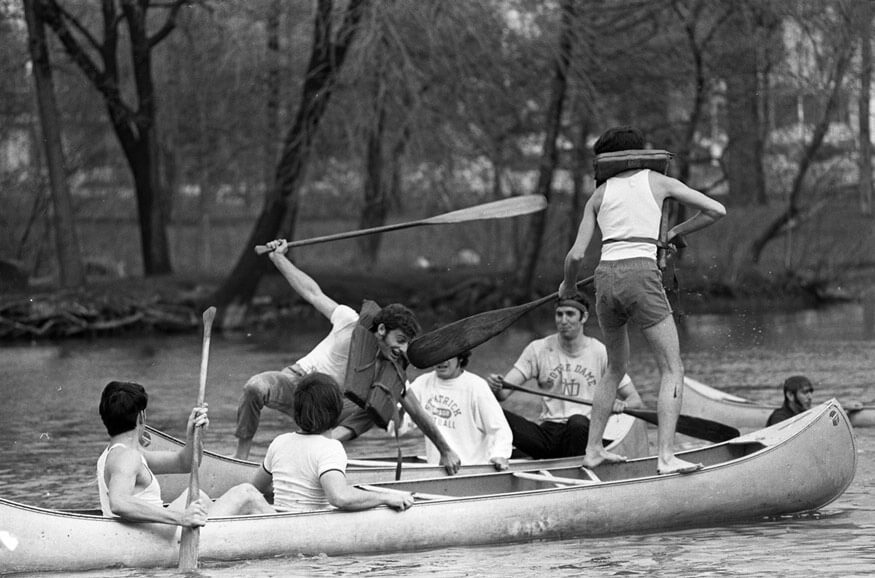
During the Great Depression of the 1930s, a government program known as the CWA, or Civil Works Administration, provided the manpower to recreate the lagoon. The CWA created a new Castle Drive and the bridge just north of the lagoon; other workers employed by the Works Progress Administration, or WPA, dredged and enlarged the lagoon. The work took two years, but when it was done, the lagoon became the center of many campus and community activities, from fishing and ice-skating to staging plays and commencement exercises.
Click on photos to enlarge